
Selling circuit breakers: what to share
If your business owns Federal Pacific circuit breakers in Maryland that is no longer needed, you can contact us about selling it. We are an equipment buyer: we review used and surplus assets and may make a cash offer. The scope can range from a single item to a larger group, depending on what you are authorized to sell. The offer depends on the information and equipment involved, not an assumed value for every unit. We consider all voltage classes and do not require seller testing. For Federal Pacific equipment, a manufacturer name helps identify the asset, but the specific model, ratings and included components remain important to a review.
A circuit-breaker inquiry is more useful when the breaker itself is distinguished from the larger assembly it may have served. Share the manufacturer, model or catalog number, voltage and current markings, quantity and any accessories that are included, but only where the information is safely available. A frame marking, trip setting and interrupting rating can describe different things; do not assume that one number answers every question. Identify whether the items are loose or associated with a lineup. We can discuss an incomplete inventory without asking you to operate or test a breaker.
Visible condition and operating condition are not the same thing. An exterior picture may reveal damaged paint, a bent door or a missing label, but it cannot establish what is happening behind a closed enclosure. Describe known storage conditions, prior exposure or apparent damage honestly, and mark unknowns as unknown. If a component was stored separately or a record refers to an earlier configuration, include that context. We do not require you to test equipment or make a performance claim simply to receive a review.
Records, condition and the scope of the sale
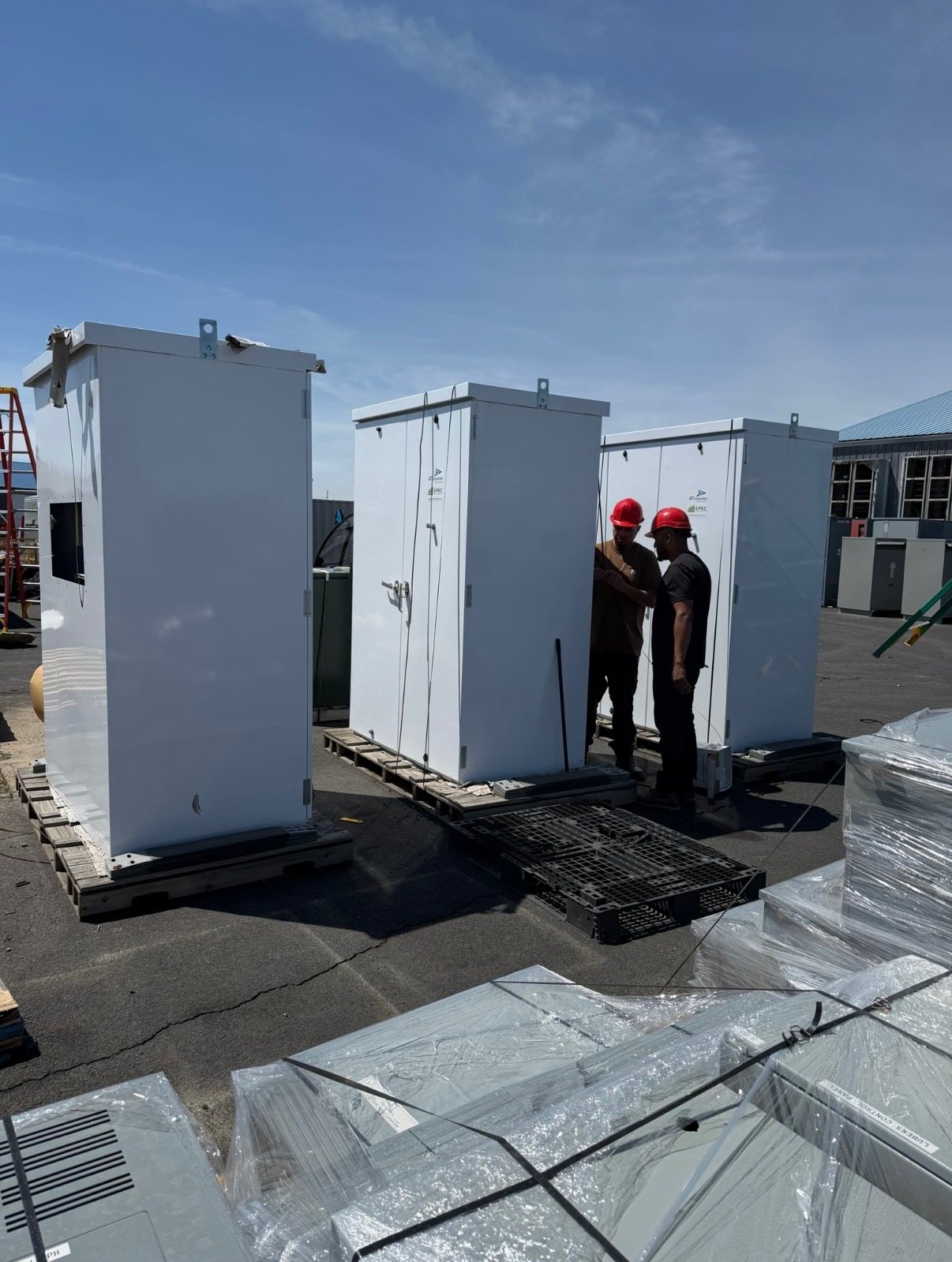
For a group of similar-looking items, a simple item list can prevent confusion during review. Give each cabinet or device an easy reference, record its quantity, and connect any available photo to the corresponding entry. If several units share a manufacturer but have different models or ratings, keep those differences visible in the list. Include any obvious exterior damage and flag missing identification. This approach is useful even when the history of the equipment is incomplete, because it separates what is actually known from assumptions about operation or condition.
For a mixed lot, quantities and boundaries help avoid misunderstandings. Explain whether you are offering every item shown in a photograph or only specific cabinets or devices, and identify anything the site intends to retain. If an accessory's relationship to the main assembly is uncertain, say so. Share a list based on existing records rather than rearranging or handling the gear. We review the stated scope and can discuss the commercial and logistical details before a sale is agreed.
Buyer-handled rigging and logistics
Pickup planning starts with the site's practical constraints. Tell us where the equipment is located, whether there is a loading area, and whether gates, vehicle access, security procedures or available working hours affect the site. An approximate dimension or weight from an existing record can help if you have it; clearly mark an estimate as an estimate. You do not have to measure, lift or move equipment. We use the information to discuss the appropriate logistics after the equipment and sale terms have been reviewed.
If the equipment is already in storage, explain whether it is in one place or divided among several areas, and whether it is a complete lineup or separate pieces. An existing packing list or safely available photo can be helpful; you do not need to uncrate or rearrange anything to create a request. Mention any gate hours or access rules that might affect the pickup discussion. We handle the logistics and freight, with the actual plan coordinated around the details of the equipment and the site.
Cash offer and upfront payment
Our role is to buy surplus equipment, not to sell equipment to the person making the inquiry. Share a description of the items you own or are authorized to sell, their general location and any relevant documentation. We review the information and may make a cash offer. If an offer is accepted, payment is upfront and we handle the physical side of the transaction: qualified disconnects, necessary crane and rigging work, loading, hauling and all freight. No seller testing, electrical work or physical handling is required.
If you have a drawing or equipment schedule, it can be useful context, but be clear about its date and whether it reflects the present configuration. A drawing may cover assets that are not part of the sale, and a later modification may not appear on an older plan. Never disclose sensitive site material publicly merely to prepare an inquiry. Tell us what records exist and share only material you are authorized to provide. Our discussion can begin even if the only information available is a basic description and the equipment location.