
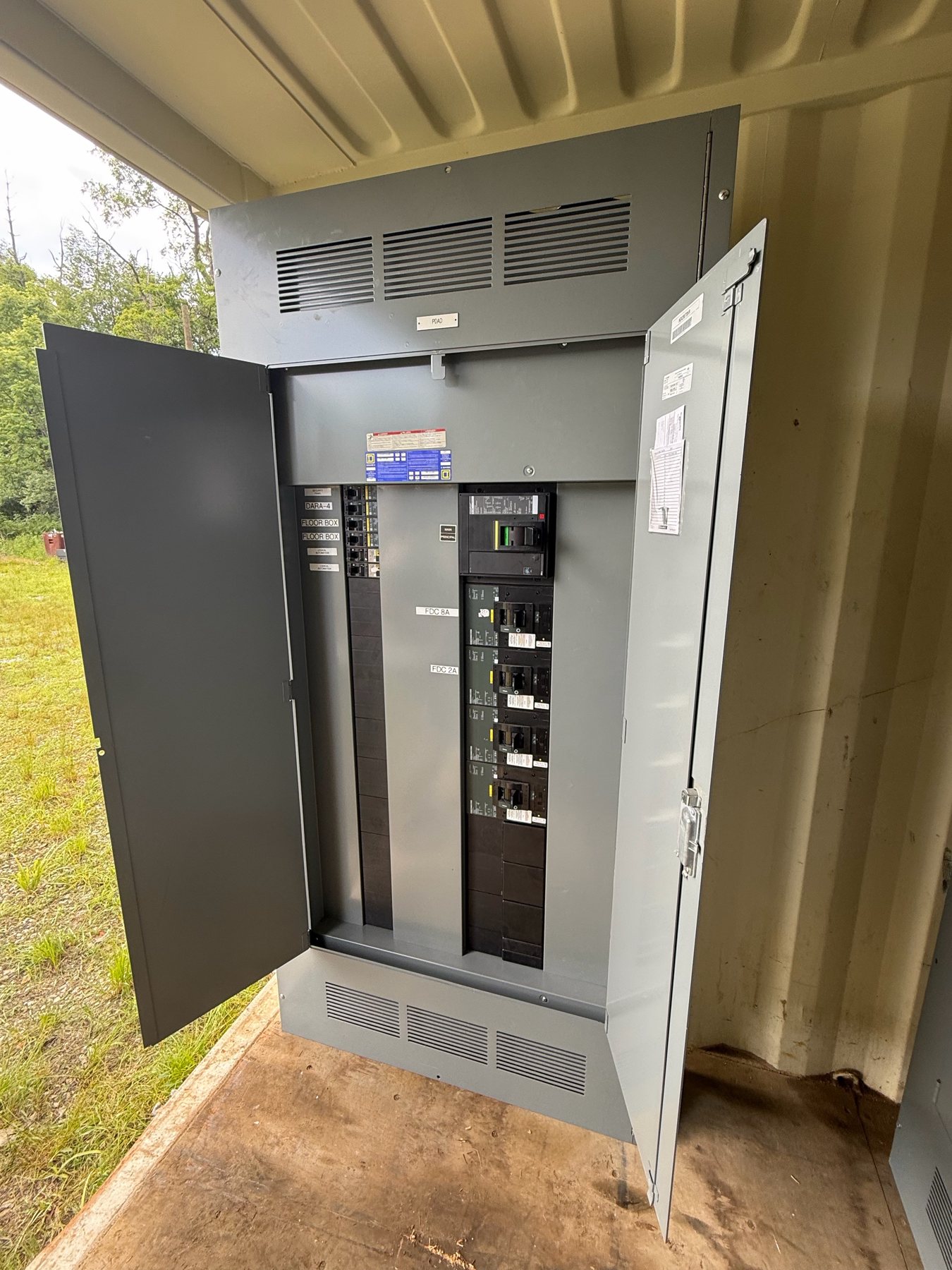
Selling used and surplus electrical equipment: what to share
If your business owns used and surplus electrical equipment in Maryland that is no longer needed, you can contact us about selling it. We are an equipment buyer: we review used and surplus assets and may make a cash offer. The scope can range from a single item to a larger group, depending on what you are authorized to sell. The offer depends on the information and equipment involved, not an assumed value for every unit. We consider all voltage classes and do not require seller testing.
Mixed electrical equipment is easier to review when each item or group is described separately. Your list might include switchgear, circuit breakers, switchboards, motor control centers, panelboards, automatic transfer switches, busway or unit substations. For each, share the type, quantity, manufacturer and ratings if those details are already known or safely visible. Identify what belongs to the same assembly and what is not part of the proposed sale. A mixed list need not be perfect to start a conversation: an uncertain model or missing record can be identified as unknown.
Some facilities have more than one equipment room or storage location. Describe where each offered item is located in general terms and identify which items belong together. A simple reference such as a building name or room identifier can help the right people discuss access without publishing sensitive facility details. If pictures or documents are restricted, let us know what the site's rules permit. Our review does not require you to bypass those rules, expose internal equipment or carry out an electrical inspection.
Records, condition and the scope of the sale
Photographs work best when they are tied to the seller's description. A safely available wide exterior view can show the number and arrangement of sections, while a readable external nameplate can provide the manufacturer's identification and ratings. If a label is inaccessible or unreadable, tell us what is available instead. Do not enter a hazardous area, open doors or covers, operate equipment, or approach guarded interiors to get a picture. There is no seller testing requirement; we can begin with whatever information can be provided safely.
Freight and physical removal are different from the seller's responsibility to describe what is being offered. You can provide existing information about location and access without arranging labor, selecting a crane or preparing the equipment for loading. Our team handles the necessary rigging and logistics, and qualified personnel handle disconnects. All freight is paid by us. Tell us about relevant site rules or uncertainties so the work can be coordinated appropriately; do not expose yourself to electrical hazards to gather additional details.
Buyer-handled rigging and logistics
For a phased project, identify the items available now and those whose release is still uncertain. If there are multiple buildings or anticipated phases, a short list of locations and equipment counts helps us understand the scope without assuming that every item will be available at the same time. The schedule and final logistics are coordinated around the actual project. Our team handles crane work when needed, rigging, qualified disconnects, loading, freight and hauling; the seller does not have to perform that work.
A seller may have a preferred project sequence without knowing the details of a future lift or vehicle. Describe any relevant access restrictions, other work taking place nearby and any approval steps that could affect scheduling. If the equipment spans more than one room, identify the locations and the quantities involved. Our team handles the rigging and logistics, so the seller is not expected to arrange a crane, load the material or perform a disconnect. Actual timing and the collection plan are coordinated for the specific project.
Cash offer and upfront payment
A clear exchange of information comes before an offer. Start with any safely available exterior photos and identification details, then identify the equipment quantity, condition, location and what is included in the proposed sale. Tell us what is unknown. We consider all voltage classes and assess the actual details rather than assigning a fixed value based on a category or rating. Following an accepted cash offer, we pay upfront. We handle qualified disconnects, rigging, loading, hauling and all freight; no testing or physical labor is required from the seller.
An approximate equipment list is a practical starting point when a project contains several different types of gear. Separate complete assemblies from loose devices, note the number of sections where known, and identify accessories that are included or excluded. If two pieces look alike but carry different model markings, keep them as separate entries. A list does not need to answer every technical question on the first contact. It should represent what is known, what is unknown and the scope that the owner is prepared to discuss.