
Selling motor control centers: what to share
If your business owns motor control centers in Maryland that is no longer needed, you can contact us about selling it. We are an equipment buyer: we review used and surplus assets and may make a cash offer. The scope can range from a single item to a larger group, depending on what you are authorized to sell. The offer depends on the information and equipment involved, not an assumed value for every unit. We consider all voltage classes and do not require seller testing. If an existing label or record identifies the equipment as 4000 amp, share that marking as written. Current rating is not the same as voltage, interrupting rating or confirmed operating condition.
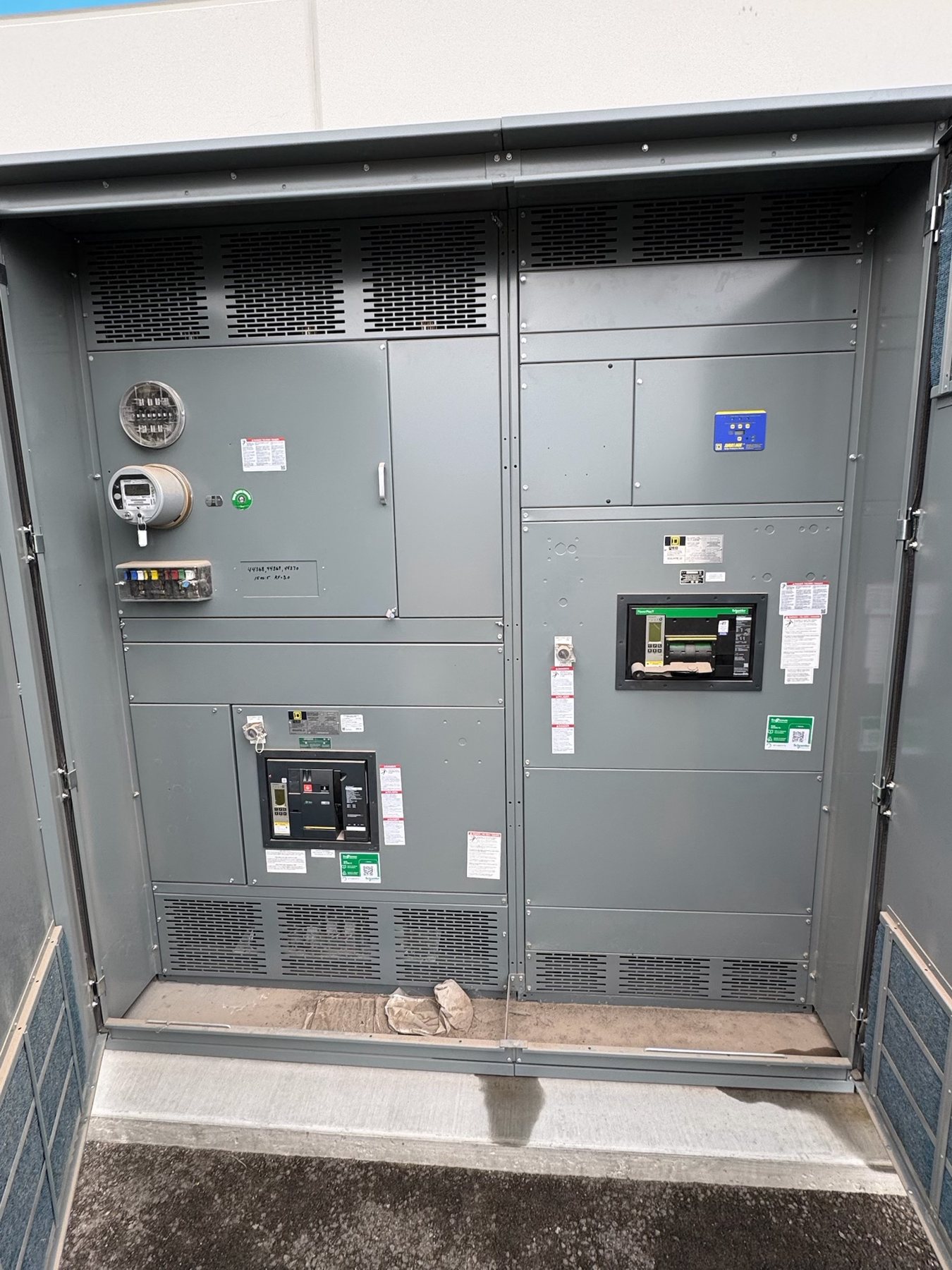
A motor control center can comprise several vertical sections and removable units serving different loads. If your records or safe exterior views show the section count, manufacturer, model, voltage or current markings, include those details. Note any separately stored units and whether they form part of the proposed sale. A list that connects a photograph to each cabinet helps prevent similar-looking sections from being confused. There is no need to remove a unit, open a door or operate a control to make an inquiry; we can begin with the information already at hand.
A project's boundaries can change over time. Before requesting an offer, it is useful to identify which equipment is genuinely available and who has authority to approve the sale. An asset may belong to a property owner, a tenant, a contractor or another party; the correct answer depends on the specific project. Tell us if a decision is still pending or if part of an assembly must remain on site. An inquiry can begin with incomplete information, but a clear description of the proposed sale helps avoid mixing retained assets with surplus assets.
Records, condition and the scope of the sale
Visible condition and operating condition are not the same thing. An exterior picture may reveal damaged paint, a bent door or a missing label, but it cannot establish what is happening behind a closed enclosure. Describe known storage conditions, prior exposure or apparent damage honestly, and mark unknowns as unknown. If a component was stored separately or a record refers to an earlier configuration, include that context. We do not require you to test equipment or make a performance claim simply to receive a review.
An approximate equipment list is a practical starting point when a project contains several different types of gear. Separate complete assemblies from loose devices, note the number of sections where known, and identify accessories that are included or excluded. If two pieces look alike but carry different model markings, keep them as separate entries. A list does not need to answer every technical question on the first contact. It should represent what is known, what is unknown and the scope that the owner is prepared to discuss.
Buyer-handled rigging and logistics
For a phased project, identify the items available now and those whose release is still uncertain. If there are multiple buildings or anticipated phases, a short list of locations and equipment counts helps us understand the scope without assuming that every item will be available at the same time. The schedule and final logistics are coordinated around the actual project. Our team handles crane work when needed, rigging, qualified disconnects, loading, freight and hauling; the seller does not have to perform that work.
A seller may have a preferred project sequence without knowing the details of a future lift or vehicle. Describe any relevant access restrictions, other work taking place nearby and any approval steps that could affect scheduling. If the equipment spans more than one room, identify the locations and the quantities involved. Our team handles the rigging and logistics, so the seller is not expected to arrange a crane, load the material or perform a disconnect. Actual timing and the collection plan are coordinated for the specific project.
Cash offer and upfront payment
You can contact us with one item or a larger group of surplus assets. Send a list and safely available external nameplate photos if you have them, and let us know about the location and any known site access constraints. We consider all voltage classes, and an offer depends on review rather than a presumed value. If a cash offer is made and accepted, we pay upfront. We arrange qualified disconnects and handle the necessary crane, rigging, loading, hauling and freight. Sellers do not perform testing or removal work.
For a mixed lot, quantities and boundaries help avoid misunderstandings. Explain whether you are offering every item shown in a photograph or only specific cabinets or devices, and identify anything the site intends to retain. If an accessory's relationship to the main assembly is uncertain, say so. Share a list based on existing records rather than rearranging or handling the gear. We review the stated scope and can discuss the commercial and logistical details before a sale is agreed.