
Selling motor control centers: what to share
If your business owns motor control centers in Maryland that is no longer needed, you can contact us about selling it. We are an equipment buyer: we review used and surplus assets and may make a cash offer. The scope can range from a single item to a larger group, depending on what you are authorized to sell. The offer depends on the information and equipment involved, not an assumed value for every unit. We consider all voltage classes and do not require seller testing.
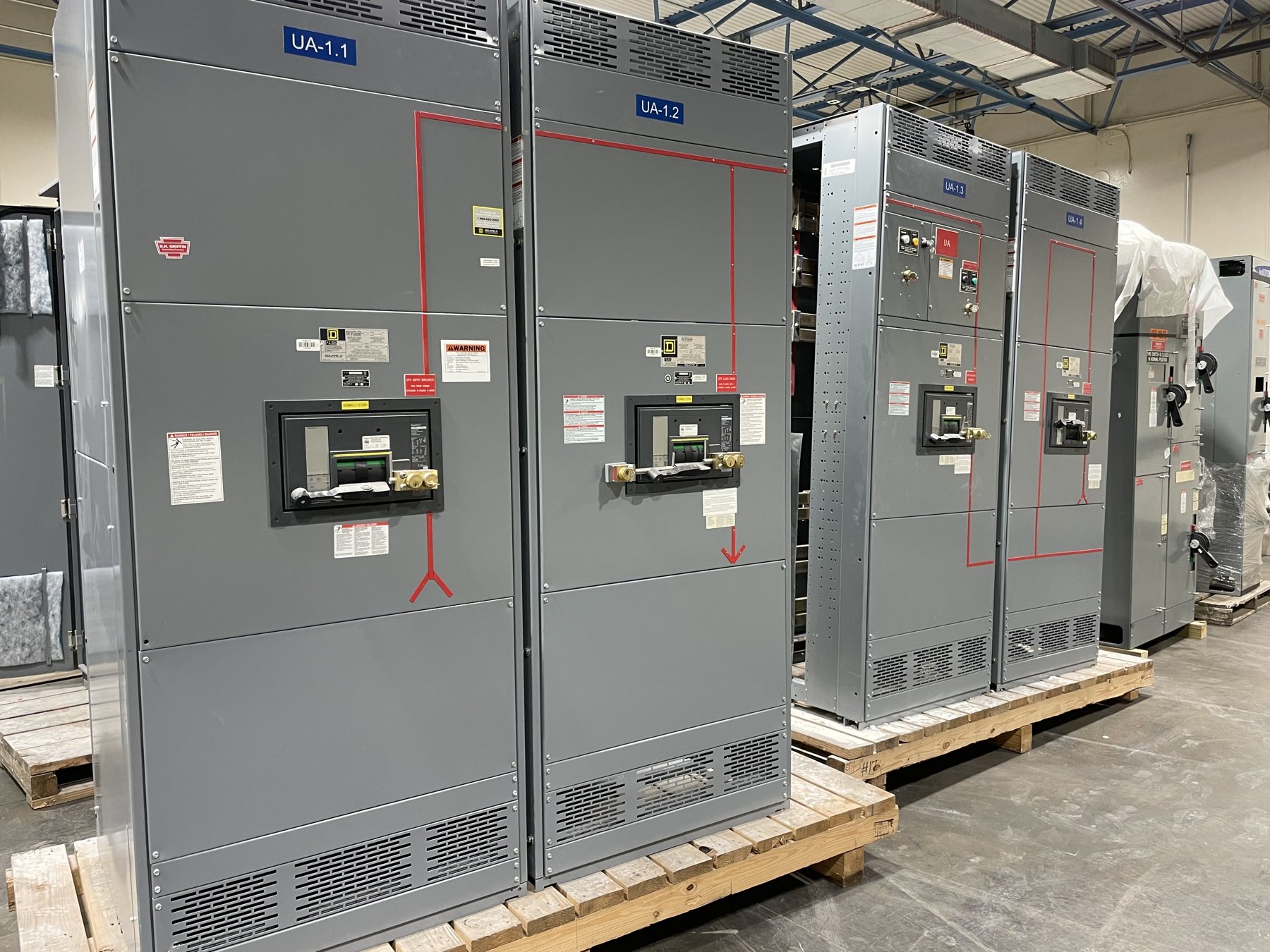
A motor control center can comprise several vertical sections and removable units serving different loads. If your records or safe exterior views show the section count, manufacturer, model, voltage or current markings, include those details. Note any separately stored units and whether they form part of the proposed sale. A list that connects a photograph to each cabinet helps prevent similar-looking sections from being confused. There is no need to remove a unit, open a door or operate a control to make an inquiry; we can begin with the information already at hand.
For a group of similar-looking items, a simple item list can prevent confusion during review. Give each cabinet or device an easy reference, record its quantity, and connect any available photo to the corresponding entry. If several units share a manufacturer but have different models or ratings, keep those differences visible in the list. Include any obvious exterior damage and flag missing identification. This approach is useful even when the history of the equipment is incomplete, because it separates what is actually known from assumptions about operation or condition.
Records, condition and the scope of the sale
A sale may include a complete assembly, separate sections, loose devices, or some combination of those items. State what is included and mention anything you intend to keep, particularly accessories or components stored away from the main equipment. Do not assume that an accessory belongs to a particular cabinet just because it was found nearby; an existing label or record may clarify the connection. If you are uncertain, describe the uncertainty. Separating the scope of the offer from assumptions about the equipment helps us review the actual lot.
An approximate equipment list is a practical starting point when a project contains several different types of gear. Separate complete assemblies from loose devices, note the number of sections where known, and identify accessories that are included or excluded. If two pieces look alike but carry different model markings, keep them as separate entries. A list does not need to answer every technical question on the first contact. It should represent what is known, what is unknown and the scope that the owner is prepared to discuss.
Buyer-handled rigging and logistics
A seller may have a preferred project sequence without knowing the details of a future lift or vehicle. Describe any relevant access restrictions, other work taking place nearby and any approval steps that could affect scheduling. If the equipment spans more than one room, identify the locations and the quantities involved. Our team handles the rigging and logistics, so the seller is not expected to arrange a crane, load the material or perform a disconnect. Actual timing and the collection plan are coordinated for the specific project.
A facility may be operating normally even when some equipment is surplus. Tell us about access procedures, designated contacts and any restrictions on photography or visitor entry. Do not change operating conditions or work on an electrical system to prepare the sale. Our team arranges qualified personnel for the necessary disconnects and handles the rest of the rigging and logistics. The site's rules and the project's actual scope guide coordination; a seller does not need to provide labor, arrange hauling or pay the freight.
Cash offer and upfront payment
A clear exchange of information comes before an offer. Start with any safely available exterior photos and identification details, then identify the equipment quantity, condition, location and what is included in the proposed sale. Tell us what is unknown. We consider all voltage classes and assess the actual details rather than assigning a fixed value based on a category or rating. Following an accepted cash offer, we pay upfront. We handle qualified disconnects, rigging, loading, hauling and all freight; no testing or physical labor is required from the seller.
For a mixed lot, quantities and boundaries help avoid misunderstandings. Explain whether you are offering every item shown in a photograph or only specific cabinets or devices, and identify anything the site intends to retain. If an accessory's relationship to the main assembly is uncertain, say so. Share a list based on existing records rather than rearranging or handling the gear. We review the stated scope and can discuss the commercial and logistical details before a sale is agreed.