
Selling panelboards: what to share
If your business owns panelboards in Maryland that is no longer needed, you can contact us about selling it. We are an equipment buyer: we review used and surplus assets and may make a cash offer. The scope can range from a single item to a larger group, depending on what you are authorized to sell. The offer depends on the information and equipment involved, not an assumed value for every unit. We consider all voltage classes and do not require seller testing.
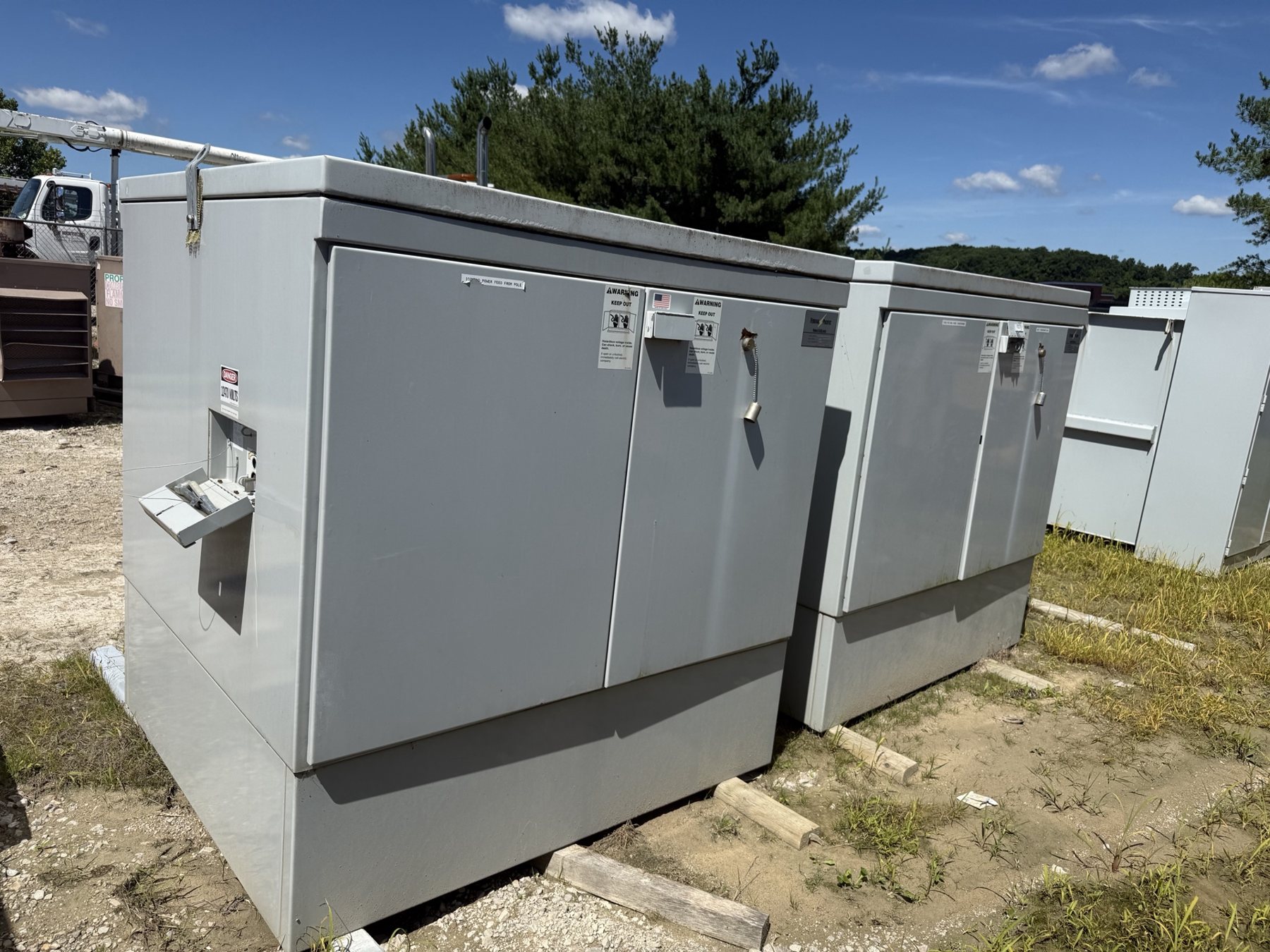
A panelboard sale can involve one cabinet or a group of similar-looking panels. It helps to list the number offered, manufacturer and any safely visible nameplate markings, and to distinguish the panels from other equipment that will remain on site. Include exterior condition and say if the history is unknown. Circuit schedules or old drawings can provide context when already available, but they may not reflect later changes. You do not have to open covers, identify live circuits or verify a panel electrically; qualified personnel handle the electrical work associated with our removal.
An assembly may have been modified or expanded during its service life. If a readily available document records a replacement component or an added section, mention it alongside the visible manufacturer and model information. Keep the original assembly rating distinct from markings on a particular device, and do not assume that two pieces with similar appearances are interchangeable. Where the available paperwork cannot establish a detail, describe the gap instead of trying to resolve it through physical inspection. The goal is an accurate description of what is being offered, not a technical certification.
Records, condition and the scope of the sale
A sale may include a complete assembly, separate sections, loose devices, or some combination of those items. State what is included and mention anything you intend to keep, particularly accessories or components stored away from the main equipment. Do not assume that an accessory belongs to a particular cabinet just because it was found nearby; an existing label or record may clarify the connection. If you are uncertain, describe the uncertainty. Separating the scope of the offer from assumptions about the equipment helps us review the actual lot.
Freight and physical removal are different from the seller's responsibility to describe what is being offered. You can provide existing information about location and access without arranging labor, selecting a crane or preparing the equipment for loading. Our team handles the necessary rigging and logistics, and qualified personnel handle disconnects. All freight is paid by us. Tell us about relevant site rules or uncertainties so the work can be coordinated appropriately; do not expose yourself to electrical hazards to gather additional details.
Buyer-handled rigging and logistics
Pickup planning starts with the site's practical constraints. Tell us where the equipment is located, whether there is a loading area, and whether gates, vehicle access, security procedures or available working hours affect the site. An approximate dimension or weight from an existing record can help if you have it; clearly mark an estimate as an estimate. You do not have to measure, lift or move equipment. We use the information to discuss the appropriate logistics after the equipment and sale terms have been reviewed.
If the equipment is already in storage, explain whether it is in one place or divided among several areas, and whether it is a complete lineup or separate pieces. An existing packing list or safely available photo can be helpful; you do not need to uncrate or rearrange anything to create a request. Mention any gate hours or access rules that might affect the pickup discussion. We handle the logistics and freight, with the actual plan coordinated around the details of the equipment and the site.
Cash offer and upfront payment
You can contact us with one item or a larger group of surplus assets. Send a list and safely available external nameplate photos if you have them, and let us know about the location and any known site access constraints. We consider all voltage classes, and an offer depends on review rather than a presumed value. If a cash offer is made and accepted, we pay upfront. We arrange qualified disconnects and handle the necessary crane, rigging, loading, hauling and freight. Sellers do not perform testing or removal work.
An approximate equipment list is a practical starting point when a project contains several different types of gear. Separate complete assemblies from loose devices, note the number of sections where known, and identify accessories that are included or excluded. If two pieces look alike but carry different model markings, keep them as separate entries. A list does not need to answer every technical question on the first contact. It should represent what is known, what is unknown and the scope that the owner is prepared to discuss.