
Selling automatic transfer switches: what to share
If your business owns automatic transfer switches in Maryland that is no longer needed, you can contact us about selling it. We are an equipment buyer: we review used and surplus assets and may make a cash offer. The scope can range from a single item to a larger group, depending on what you are authorized to sell. The offer depends on the information and equipment involved, not an assumed value for every unit. We consider all voltage classes and do not require seller testing.
An automatic transfer switch may be identified by its assembly manufacturer, model and nameplate ratings, but those markings are not a substitute for an operating test. If the information is available without opening the enclosure, share the voltage and current details as written and explain whether the transfer-switch cabinet and any associated controls are included. Tell us about visible exterior damage or gaps in the records instead of assuming the equipment is complete. The seller does not need to initiate a transfer, operate the switch or expose internal components for us to consider a request.
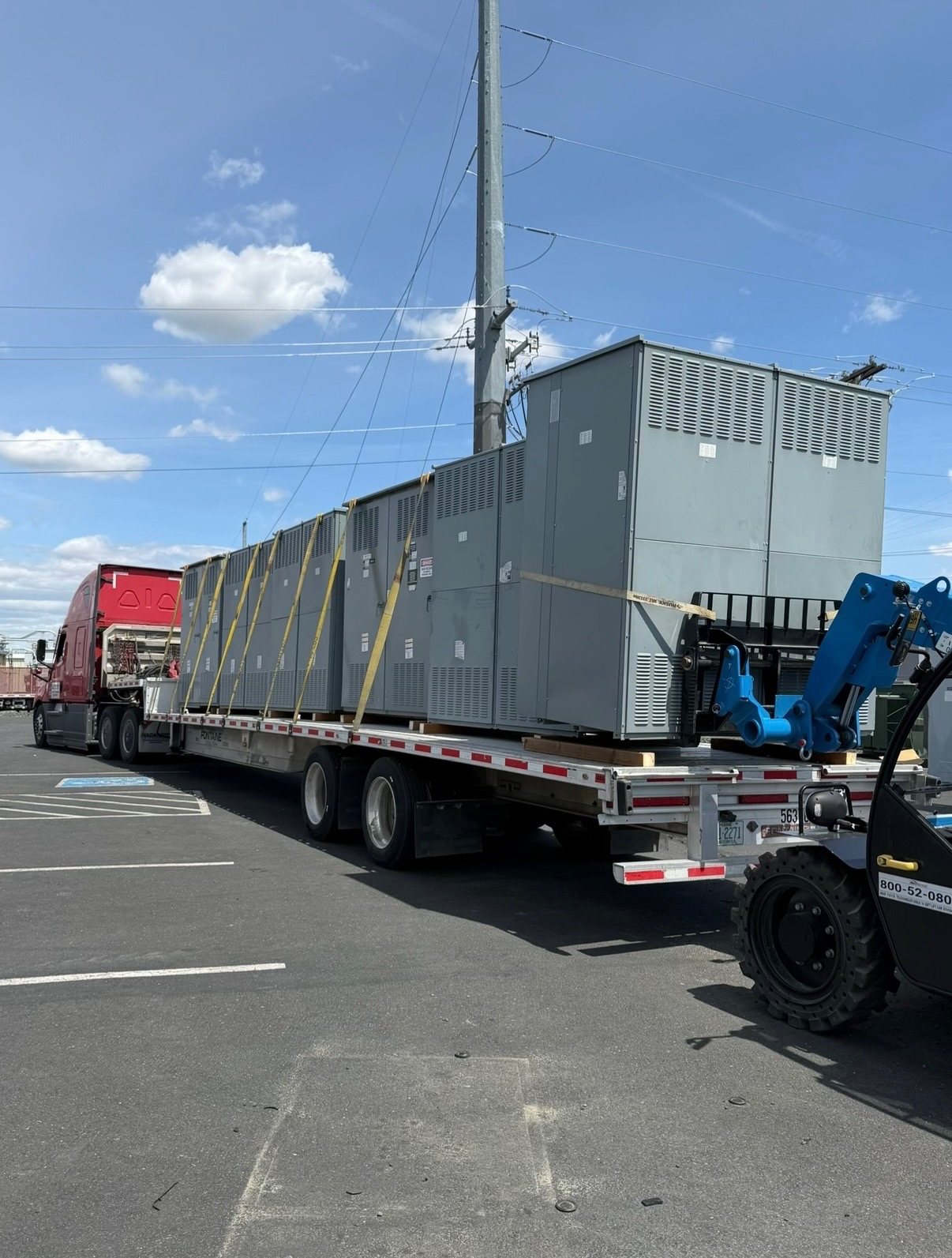
For a shut-down power plant, distinguish the equipment included in the sale from assets that remain under the owner's control or are subject to project restrictions. Existing inventories, safe exterior photos and authorized site contacts can help define the scope. We buy switchgear from shut-down power plants and decommissioned data centers, and we handle the necessary crane, rigging, qualified disconnects, loading, hauling and freight. Do not attempt electrical work or testing to prepare an inquiry; site access and project-specific restrictions are coordinated with our team.
Records, condition and the scope of the sale
If the equipment has been stored for a long time, the details may be scattered across inventory records, packing lists and photographs taken on different dates. Sharing those existing materials together can give us a clearer picture than a single asset number. Explain which pictures show the current equipment and which are historical references, and note whether any accessories are held separately. We can discuss questions about completeness during the review. You do not need to unpack, move or energize stored equipment for the purpose of the initial inquiry.
For a mixed lot, quantities and boundaries help avoid misunderstandings. Explain whether you are offering every item shown in a photograph or only specific cabinets or devices, and identify anything the site intends to retain. If an accessory's relationship to the main assembly is uncertain, say so. Share a list based on existing records rather than rearranging or handling the gear. We review the stated scope and can discuss the commercial and logistical details before a sale is agreed.
Buyer-handled rigging and logistics
For heavy or multi-section assemblies, a building's route and access requirements can matter as much as the equipment list. Share any existing information about stairs, doors, loading docks, site gates or restricted areas, but do not put yourself at risk trying to investigate them. Let us know if there are visitor requirements or a site contact who can discuss access. Our team arranges the necessary disconnects, rigging and removal, including any crane work, loading, hauling and paid freight. No seller testing or physical work is required.
If more than one organization is involved at the property, tell us who can discuss the offered equipment and who controls access to the site. An owner, contractor and facility manager may have different responsibilities, and the sale should cover only assets the seller is authorized to offer. Gate rules, access hours and an existing equipment inventory can be useful for planning. We handle the physical work and logistics, including qualified disconnects and paid freight, rather than asking the seller to move or load an assembly.
Cash offer and upfront payment
A useful inquiry can begin with a short description and whatever records or photos already exist. Explain the equipment type, quantity, location and known condition, and identify anything you are not sure about. We review the submission and may make a cash offer; the details of the actual equipment matter, so a price cannot be determined from a page title. After an agreed sale, payment is upfront. Our team handles all necessary disconnects through qualified personnel, rigging, loading, hauling and freight, with all freight paid by us.
If you have a drawing or equipment schedule, it can be useful context, but be clear about its date and whether it reflects the present configuration. A drawing may cover assets that are not part of the sale, and a later modification may not appear on an older plan. Never disclose sensitive site material publicly merely to prepare an inquiry. Tell us what records exist and share only material you are authorized to provide. Our discussion can begin even if the only information available is a basic description and the equipment location.