
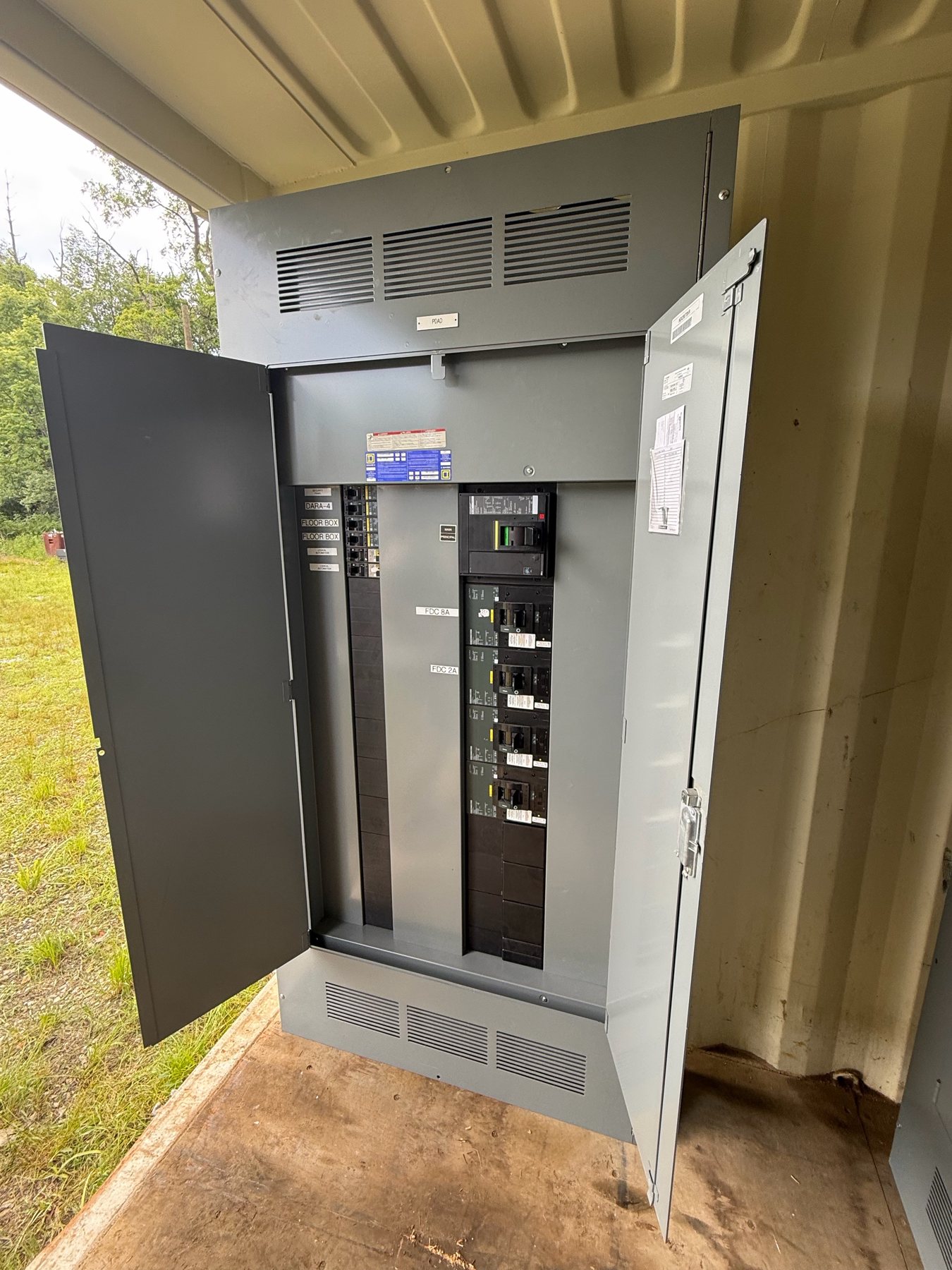
Selling automatic transfer switches: what to share
If your business owns automatic transfer switches in Maryland that is no longer needed, you can contact us about selling it. We are an equipment buyer: we review used and surplus assets and may make a cash offer. The scope can range from a single item to a larger group, depending on what you are authorized to sell. The offer depends on the information and equipment involved, not an assumed value for every unit. We consider all voltage classes and do not require seller testing.
An automatic transfer switch may be identified by its assembly manufacturer, model and nameplate ratings, but those markings are not a substitute for an operating test. If the information is available without opening the enclosure, share the voltage and current details as written and explain whether the transfer-switch cabinet and any associated controls are included. Tell us about visible exterior damage or gaps in the records instead of assuming the equipment is complete. The seller does not need to initiate a transfer, operate the switch or expose internal components for us to consider a request.
A utility-substation project can involve several kinds of assets and multiple parties with responsibility for site access. Identify the specific equipment offered, the party authorized to sell it, and any known access rules. Unit substations can also be submitted for review: existing transformer and associated-section nameplate details can help describe what is included. We arrange qualified disconnects and handle the necessary rigging and logistics. The seller is not asked to test, isolate, operate or physically handle electrical equipment.
Records, condition and the scope of the sale
An assembly may have been modified or expanded during its service life. If a readily available document records a replacement component or an added section, mention it alongside the visible manufacturer and model information. Keep the original assembly rating distinct from markings on a particular device, and do not assume that two pieces with similar appearances are interchangeable. Where the available paperwork cannot establish a detail, describe the gap instead of trying to resolve it through physical inspection. The goal is an accurate description of what is being offered, not a technical certification.
For a mixed lot, quantities and boundaries help avoid misunderstandings. Explain whether you are offering every item shown in a photograph or only specific cabinets or devices, and identify anything the site intends to retain. If an accessory's relationship to the main assembly is uncertain, say so. Share a list based on existing records rather than rearranging or handling the gear. We review the stated scope and can discuss the commercial and logistical details before a sale is agreed.
Buyer-handled rigging and logistics
A facility may be operating normally even when some equipment is surplus. Tell us about access procedures, designated contacts and any restrictions on photography or visitor entry. Do not change operating conditions or work on an electrical system to prepare the sale. Our team arranges qualified personnel for the necessary disconnects and handles the rest of the rigging and logistics. The site's rules and the project's actual scope guide coordination; a seller does not need to provide labor, arrange hauling or pay the freight.
Before a collection plan is finalized, existing information about dimensions, weight, the path from the equipment and site access can help our team assess the logistics. If no reliable measurements exist, simply say they are unknown; an unsafe measurement is not necessary. Let us know about restricted hours, security clearance requirements and a person who can discuss the site. We handle the crane, rigging, qualified disconnects, loading and hauling as needed, and we pay all freight. Specific arrangements depend on the equipment and project.
Cash offer and upfront payment
Start with the equipment description and any safely available exterior photographs, along with your contact and location details. We review the information and can make a cash offer based on the actual equipment and circumstances; not every inquiry results in an offer. If the parties agree to a sale, payment is made upfront. Our team then coordinates the necessary disconnects and physical logistics, including rigging, loading, hauling and freight. All freight is paid by us. You do not need to test the equipment, operate it, or take on the removal work.
If you have a drawing or equipment schedule, it can be useful context, but be clear about its date and whether it reflects the present configuration. A drawing may cover assets that are not part of the sale, and a later modification may not appear on an older plan. Never disclose sensitive site material publicly merely to prepare an inquiry. Tell us what records exist and share only material you are authorized to provide. Our discussion can begin even if the only information available is a basic description and the equipment location.