
Selling motor control centers: what to share
If your business owns motor control centers in Annapolis, Anne Arundel County that is no longer needed, you can contact us about selling it. We are an equipment buyer: we review used and surplus assets and may make a cash offer. The scope can range from a single item to a larger group, depending on what you are authorized to sell. The offer depends on the information and equipment involved, not an assumed value for every unit. We consider all voltage classes and do not require seller testing.
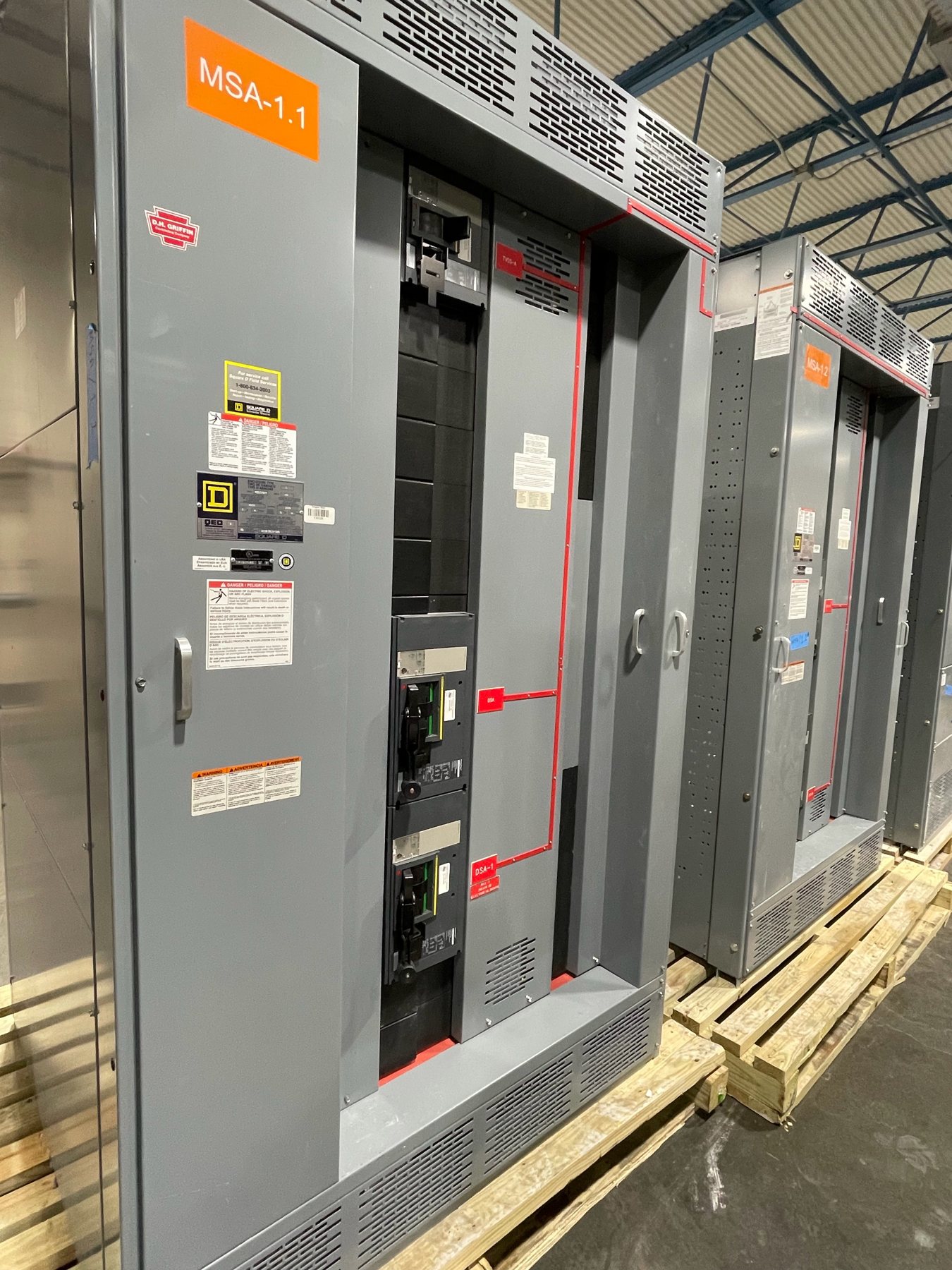
A motor control center can comprise several vertical sections and removable units serving different loads. If your records or safe exterior views show the section count, manufacturer, model, voltage or current markings, include those details. Note any separately stored units and whether they form part of the proposed sale. A list that connects a photograph to each cabinet helps prevent similar-looking sections from being confused. There is no need to remove a unit, open a door or operate a control to make an inquiry; we can begin with the information already at hand.
For a group of similar-looking items, a simple item list can prevent confusion during review. Give each cabinet or device an easy reference, record its quantity, and connect any available photo to the corresponding entry. If several units share a manufacturer but have different models or ratings, keep those differences visible in the list. Include any obvious exterior damage and flag missing identification. This approach is useful even when the history of the equipment is incomplete, because it separates what is actually known from assumptions about operation or condition.
Records, condition and the scope of the sale
A nameplate can contain several electrical figures with different meanings. For example, a current marking, a voltage marking and a short-circuit marking should not be treated as interchangeable facts. Share the wording or a safely obtained exterior image rather than interpreting a number that is unclear. If a drawing and a nameplate differ, note the discrepancy. Our review considers the information available for the actual equipment, and a photograph alone cannot establish its electrical performance or suitability for another installation.
A record of the transaction can be useful when a company is updating its asset register or closing out a project. Identify the person authorized to discuss the sale and provide a reliable contact for commercial questions. If the equipment is listed under multiple internal references, explain how the references relate to the physical items. The important point is to avoid transferring an asset that was not intended to be included. Our cash offer, upfront payment and buyer-handled logistics can then be discussed against a defined scope.
Buyer-handled rigging and logistics
If more than one organization is involved at the property, tell us who can discuss the offered equipment and who controls access to the site. An owner, contractor and facility manager may have different responsibilities, and the sale should cover only assets the seller is authorized to offer. Gate rules, access hours and an existing equipment inventory can be useful for planning. We handle the physical work and logistics, including qualified disconnects and paid freight, rather than asking the seller to move or load an assembly.
Pickup planning starts with the site's practical constraints. Tell us where the equipment is located, whether there is a loading area, and whether gates, vehicle access, security procedures or available working hours affect the site. An approximate dimension or weight from an existing record can help if you have it; clearly mark an estimate as an estimate. You do not have to measure, lift or move equipment. We use the information to discuss the appropriate logistics after the equipment and sale terms have been reviewed.
Cash offer and upfront payment
The first step is to share what you know about the equipment and where it is located. Manufacturer information, ratings, quantities, condition and safely available exterior photos can make a review more productive, but do not guess at missing details. We consider equipment across all voltage classes and review each request individually. If an offer is made and accepted, the seller receives payment upfront. We handle the qualified disconnects, crane and rigging work as needed, loading, hauling and all freight; the seller performs no testing or physical work.
When a nameplate cannot be read safely, a seller can still describe the equipment type, quantity, manufacturer if known, and the general project context. State plainly that the rating or model has not been confirmed. If an old photograph or inventory record is available, distinguish it from a current observation. Do not open a door or cover to get a better view and do not operate the equipment. We can discuss the available information without requiring a seller to test or handle an electrical asset.