
Selling automatic transfer switches: what to share
If your business owns automatic transfer switches in Columbia, Howard County that is no longer needed, you can contact us about selling it. We are an equipment buyer: we review used and surplus assets and may make a cash offer. The scope can range from a single item to a larger group, depending on what you are authorized to sell. The offer depends on the information and equipment involved, not an assumed value for every unit. We consider all voltage classes and do not require seller testing.
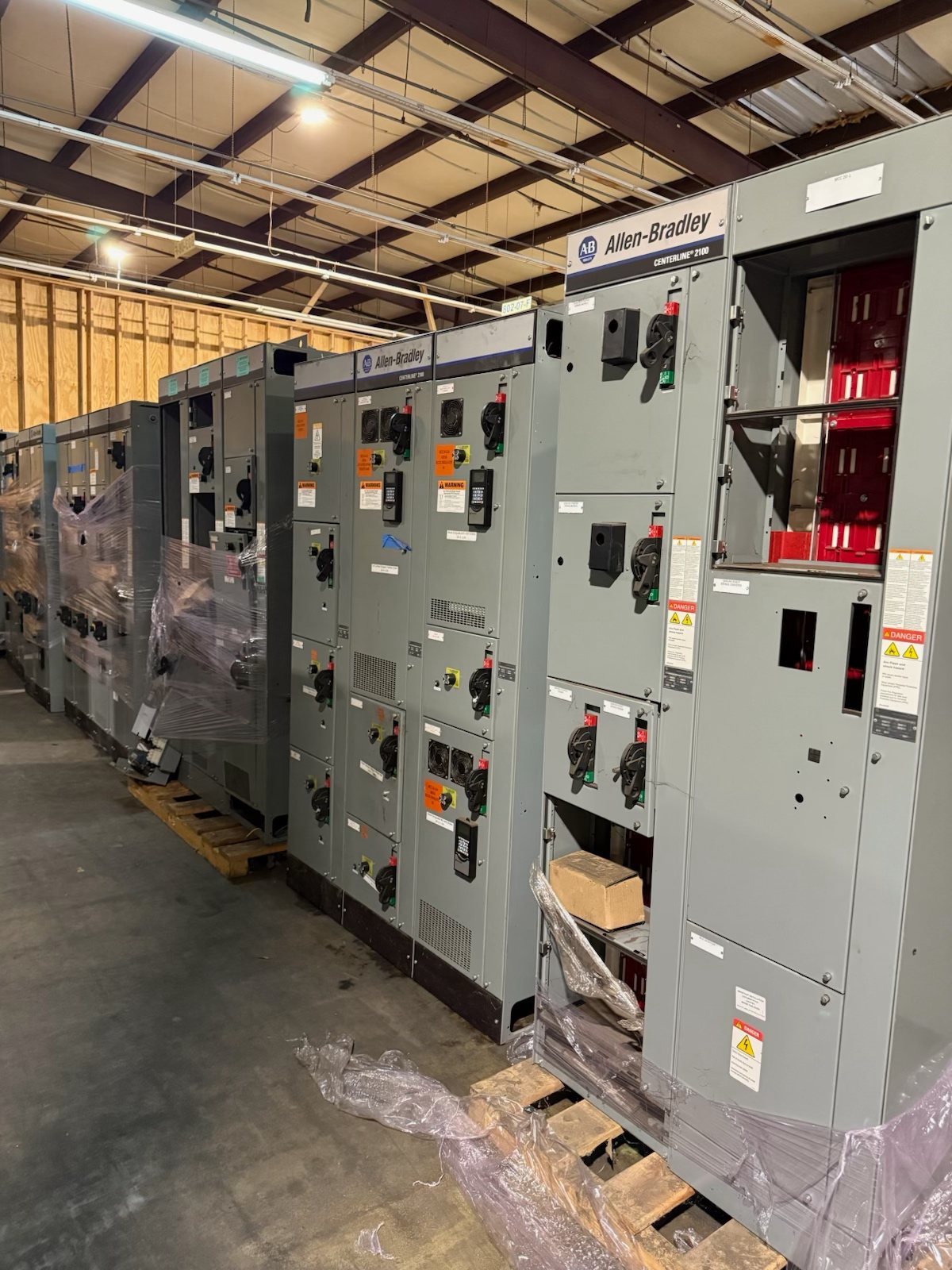
An automatic transfer switch may be identified by its assembly manufacturer, model and nameplate ratings, but those markings are not a substitute for an operating test. If the information is available without opening the enclosure, share the voltage and current details as written and explain whether the transfer-switch cabinet and any associated controls are included. Tell us about visible exterior damage or gaps in the records instead of assuming the equipment is complete. The seller does not need to initiate a transfer, operate the switch or expose internal components for us to consider a request.
When several departments are involved, one contact may know the equipment while another has authority to approve a sale. It is useful to identify a commercial contact and, if different, someone who can discuss the site's access requirements. You can also explain whether the assets are in one area or spread across several locations. That information is for coordination, not a request for you to remove equipment. Our team handles the required logistics and arranges qualified personnel for disconnects.
Records, condition and the scope of the sale
A project's boundaries can change over time. Before requesting an offer, it is useful to identify which equipment is genuinely available and who has authority to approve the sale. An asset may belong to a property owner, a tenant, a contractor or another party; the correct answer depends on the specific project. Tell us if a decision is still pending or if part of an assembly must remain on site. An inquiry can begin with incomplete information, but a clear description of the proposed sale helps avoid mixing retained assets with surplus assets.
If pictures are subject to security or privacy rules, let us know at the start. A site contact can explain which exterior views or existing records may be shared, and a written description can still begin the discussion. Avoid showing confidential information that is not needed for the inquiry. Do not enter restricted spaces, open equipment or bypass site procedures for a photograph. Our team can coordinate access and the required qualified work as part of the removal plan rather than asking the seller to do it.
Buyer-handled rigging and logistics
For a phased project, identify the items available now and those whose release is still uncertain. If there are multiple buildings or anticipated phases, a short list of locations and equipment counts helps us understand the scope without assuming that every item will be available at the same time. The schedule and final logistics are coordinated around the actual project. Our team handles crane work when needed, rigging, qualified disconnects, loading, freight and hauling; the seller does not have to perform that work.
A seller may have a preferred project sequence without knowing the details of a future lift or vehicle. Describe any relevant access restrictions, other work taking place nearby and any approval steps that could affect scheduling. If the equipment spans more than one room, identify the locations and the quantities involved. Our team handles the rigging and logistics, so the seller is not expected to arrange a crane, load the material or perform a disconnect. Actual timing and the collection plan are coordinated for the specific project.
Cash offer and upfront payment
The first step is to share what you know about the equipment and where it is located. Manufacturer information, ratings, quantities, condition and safely available exterior photos can make a review more productive, but do not guess at missing details. We consider equipment across all voltage classes and review each request individually. If an offer is made and accepted, the seller receives payment upfront. We handle the qualified disconnects, crane and rigging work as needed, loading, hauling and all freight; the seller performs no testing or physical work.
Freight and physical removal are different from the seller's responsibility to describe what is being offered. You can provide existing information about location and access without arranging labor, selecting a crane or preparing the equipment for loading. Our team handles the necessary rigging and logistics, and qualified personnel handle disconnects. All freight is paid by us. Tell us about relevant site rules or uncertainties so the work can be coordinated appropriately; do not expose yourself to electrical hazards to gather additional details.