
Selling switchboards: what to share
If your business owns switchboards in Hagerstown, Washington County that is no longer needed, you can contact us about selling it. We are an equipment buyer: we review used and surplus assets and may make a cash offer. The scope can range from a single item to a larger group, depending on what you are authorized to sell. The offer depends on the information and equipment involved, not an assumed value for every unit. We consider all voltage classes and do not require seller testing.
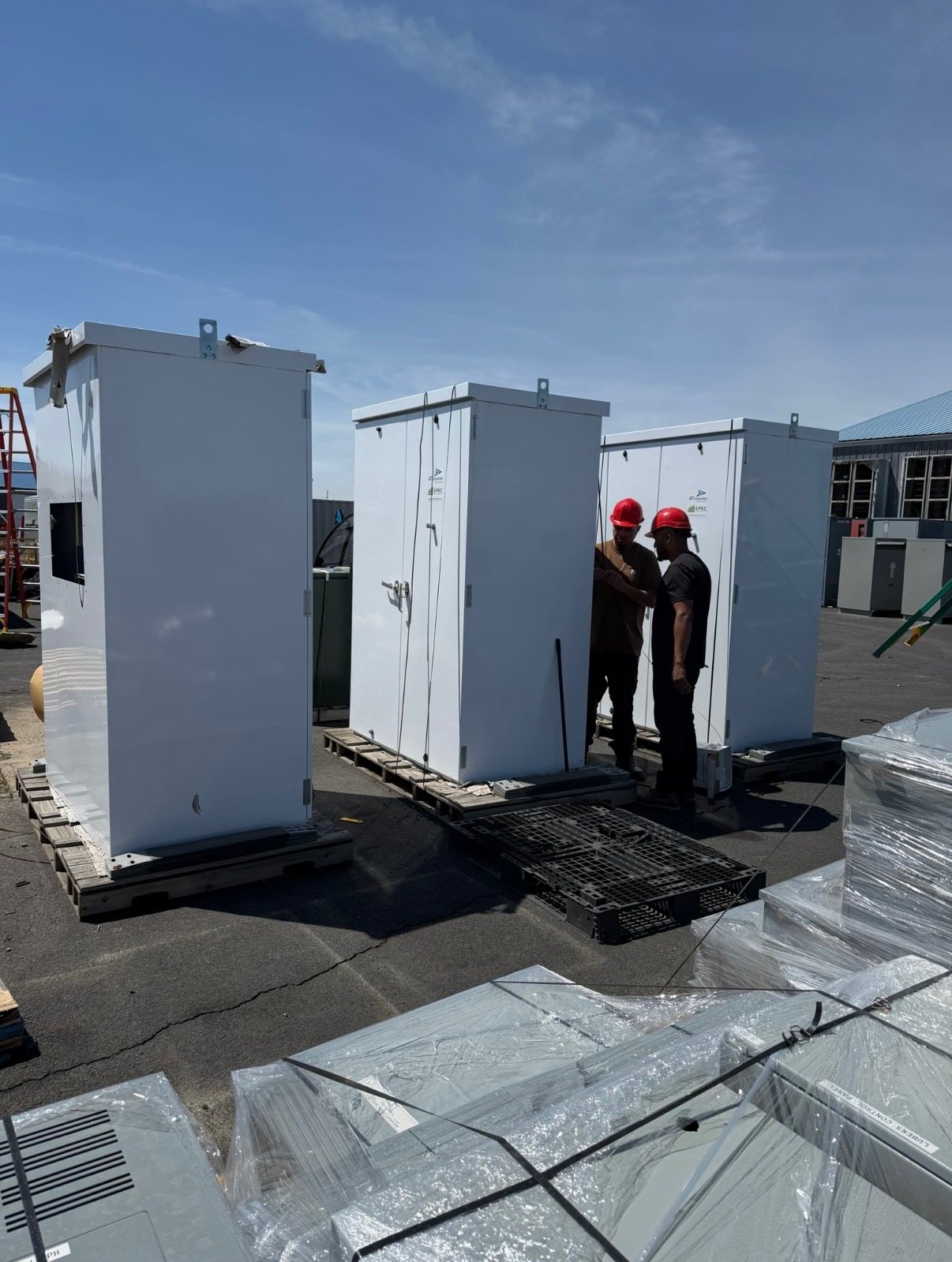
A switchboard may contain a main section, distribution sections and multiple feeders, so the scope of the proposed sale matters. Tell us how many cabinets are involved and which sections, devices or loose accessories are included. An exterior image and a readable assembly nameplate, when already safely accessible, can help connect the rating to the equipment. If there are records of modifications, share what you know and identify any uncertainty. Do not infer short-circuit capacity or present operating condition from a single ampere number; we review the available information as a whole.
A project's boundaries can change over time. Before requesting an offer, it is useful to identify which equipment is genuinely available and who has authority to approve the sale. An asset may belong to a property owner, a tenant, a contractor or another party; the correct answer depends on the specific project. Tell us if a decision is still pending or if part of an assembly must remain on site. An inquiry can begin with incomplete information, but a clear description of the proposed sale helps avoid mixing retained assets with surplus assets.
Records, condition and the scope of the sale
Individual assets often have several different identifiers. The manufacturer's model, serial number and rating may appear on a nameplate, while a building or plant may also have its own asset tag. When safely available, share each identifier as written and say which item it belongs to. A facility number is useful for matching your inventory but should not be treated as a substitute for a manufacturer's model. If a tag has been lost or a photo cannot be obtained safely, that does not prevent you from starting the conversation.
An approximate equipment list is a practical starting point when a project contains several different types of gear. Separate complete assemblies from loose devices, note the number of sections where known, and identify accessories that are included or excluded. If two pieces look alike but carry different model markings, keep them as separate entries. A list does not need to answer every technical question on the first contact. It should represent what is known, what is unknown and the scope that the owner is prepared to discuss.
Buyer-handled rigging and logistics
Before a collection plan is finalized, existing information about dimensions, weight, the path from the equipment and site access can help our team assess the logistics. If no reliable measurements exist, simply say they are unknown; an unsafe measurement is not necessary. Let us know about restricted hours, security clearance requirements and a person who can discuss the site. We handle the crane, rigging, qualified disconnects, loading and hauling as needed, and we pay all freight. Specific arrangements depend on the equipment and project.
For heavy or multi-section assemblies, a building's route and access requirements can matter as much as the equipment list. Share any existing information about stairs, doors, loading docks, site gates or restricted areas, but do not put yourself at risk trying to investigate them. Let us know if there are visitor requirements or a site contact who can discuss access. Our team arranges the necessary disconnects, rigging and removal, including any crane work, loading, hauling and paid freight. No seller testing or physical work is required.
Cash offer and upfront payment
The first step is to share what you know about the equipment and where it is located. Manufacturer information, ratings, quantities, condition and safely available exterior photos can make a review more productive, but do not guess at missing details. We consider equipment across all voltage classes and review each request individually. If an offer is made and accepted, the seller receives payment upfront. We handle the qualified disconnects, crane and rigging work as needed, loading, hauling and all freight; the seller performs no testing or physical work.
For a mixed lot, quantities and boundaries help avoid misunderstandings. Explain whether you are offering every item shown in a photograph or only specific cabinets or devices, and identify anything the site intends to retain. If an accessory's relationship to the main assembly is uncertain, say so. Share a list based on existing records rather than rearranging or handling the gear. We review the stated scope and can discuss the commercial and logistical details before a sale is agreed.