
Selling switchgear: what to share
If your business owns switchgear in Pocomoke City, Worcester County that is no longer needed, you can contact us about selling it. We are an equipment buyer: we review used and surplus assets and may make a cash offer. The scope can range from a single item to a larger group, depending on what you are authorized to sell. The offer depends on the information and equipment involved, not an assumed value for every unit. We consider all voltage classes and do not require seller testing.
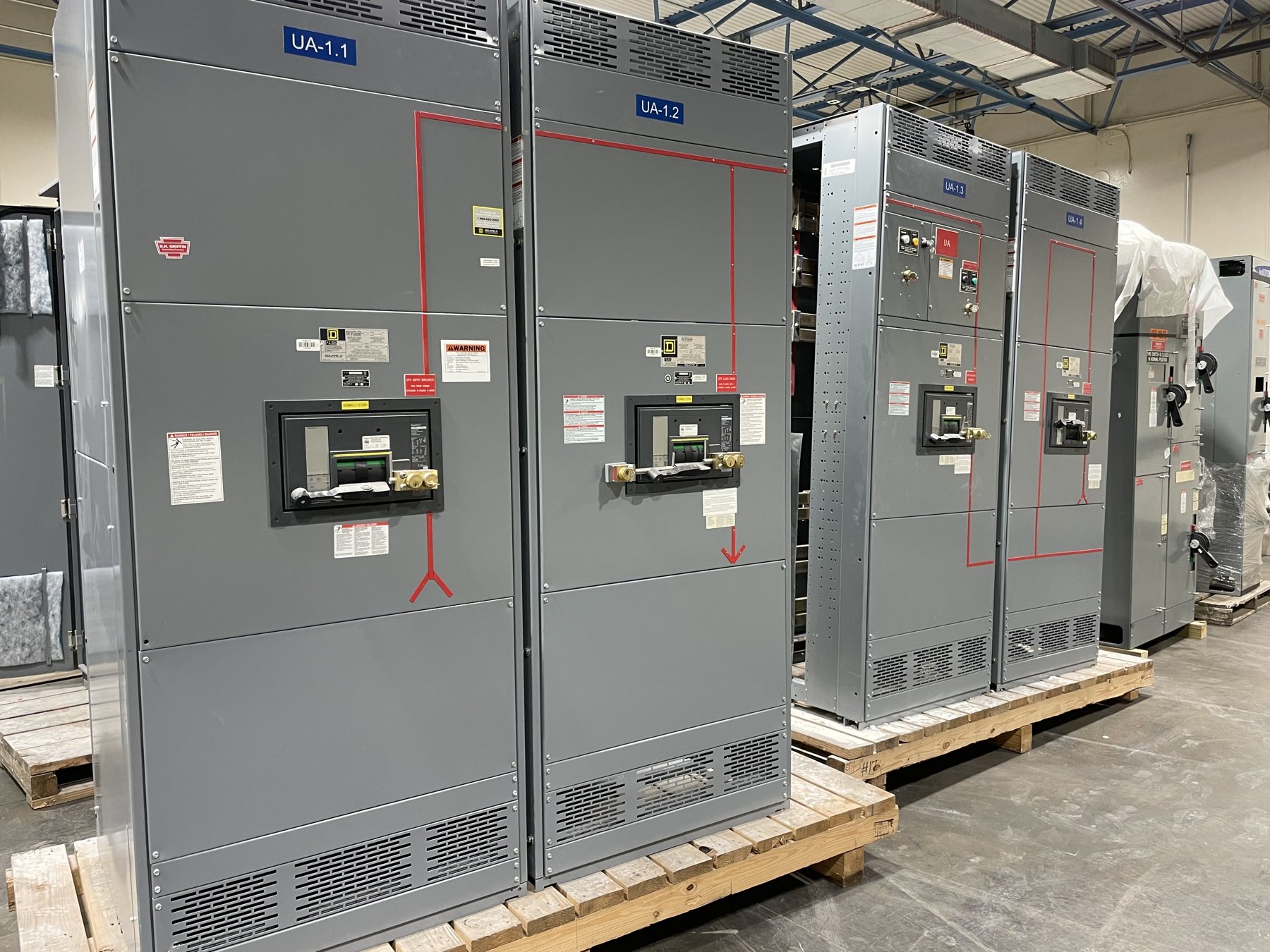
A switchgear lineup may have more than one section, and the name on the outside of the assembly may not tell the whole story about the devices installed in it. If safely visible or already in your records, tell us the manufacturer, model, voltage and continuous-current markings, the number of sections, and whether associated breakers are included. A photograph of the complete exterior helps relate those details to the actual assembly. If a marking is missing, obscured or inconsistent with an old document, say so rather than guessing. Those observations help identify the asset; they do not establish its condition, operating history or compatibility.
An assembly may have been modified or expanded during its service life. If a readily available document records a replacement component or an added section, mention it alongside the visible manufacturer and model information. Keep the original assembly rating distinct from markings on a particular device, and do not assume that two pieces with similar appearances are interchangeable. Where the available paperwork cannot establish a detail, describe the gap instead of trying to resolve it through physical inspection. The goal is an accurate description of what is being offered, not a technical certification.
Records, condition and the scope of the sale
A project's boundaries can change over time. Before requesting an offer, it is useful to identify which equipment is genuinely available and who has authority to approve the sale. An asset may belong to a property owner, a tenant, a contractor or another party; the correct answer depends on the specific project. Tell us if a decision is still pending or if part of an assembly must remain on site. An inquiry can begin with incomplete information, but a clear description of the proposed sale helps avoid mixing retained assets with surplus assets.
An approximate equipment list is a practical starting point when a project contains several different types of gear. Separate complete assemblies from loose devices, note the number of sections where known, and identify accessories that are included or excluded. If two pieces look alike but carry different model markings, keep them as separate entries. A list does not need to answer every technical question on the first contact. It should represent what is known, what is unknown and the scope that the owner is prepared to discuss.
Buyer-handled rigging and logistics
A seller may have a preferred project sequence without knowing the details of a future lift or vehicle. Describe any relevant access restrictions, other work taking place nearby and any approval steps that could affect scheduling. If the equipment spans more than one room, identify the locations and the quantities involved. Our team handles the rigging and logistics, so the seller is not expected to arrange a crane, load the material or perform a disconnect. Actual timing and the collection plan are coordinated for the specific project.
A facility may be operating normally even when some equipment is surplus. Tell us about access procedures, designated contacts and any restrictions on photography or visitor entry. Do not change operating conditions or work on an electrical system to prepare the sale. Our team arranges qualified personnel for the necessary disconnects and handles the rest of the rigging and logistics. The site's rules and the project's actual scope guide coordination; a seller does not need to provide labor, arrange hauling or pay the freight.
Cash offer and upfront payment
Start with the equipment description and any safely available exterior photographs, along with your contact and location details. We review the information and can make a cash offer based on the actual equipment and circumstances; not every inquiry results in an offer. If the parties agree to a sale, payment is made upfront. Our team then coordinates the necessary disconnects and physical logistics, including rigging, loading, hauling and freight. All freight is paid by us. You do not need to test the equipment, operate it, or take on the removal work.
For a mixed lot, quantities and boundaries help avoid misunderstandings. Explain whether you are offering every item shown in a photograph or only specific cabinets or devices, and identify anything the site intends to retain. If an accessory's relationship to the main assembly is uncertain, say so. Share a list based on existing records rather than rearranging or handling the gear. We review the stated scope and can discuss the commercial and logistical details before a sale is agreed.