
Selling circuit breakers: what to share
If your business owns circuit breakers in Maryland that is no longer needed, you can contact us about selling it. We are an equipment buyer: we review used and surplus assets and may make a cash offer. The scope can range from a single item to a larger group, depending on what you are authorized to sell. The offer depends on the information and equipment involved, not an assumed value for every unit. We consider all voltage classes and do not require seller testing. If an existing label or record identifies the equipment as 4000 amp, share that marking as written. Current rating is not the same as voltage, interrupting rating or confirmed operating condition.
A circuit-breaker inquiry is more useful when the breaker itself is distinguished from the larger assembly it may have served. Share the manufacturer, model or catalog number, voltage and current markings, quantity and any accessories that are included, but only where the information is safely available. A frame marking, trip setting and interrupting rating can describe different things; do not assume that one number answers every question. Identify whether the items are loose or associated with a lineup. We can discuss an incomplete inventory without asking you to operate or test a breaker.
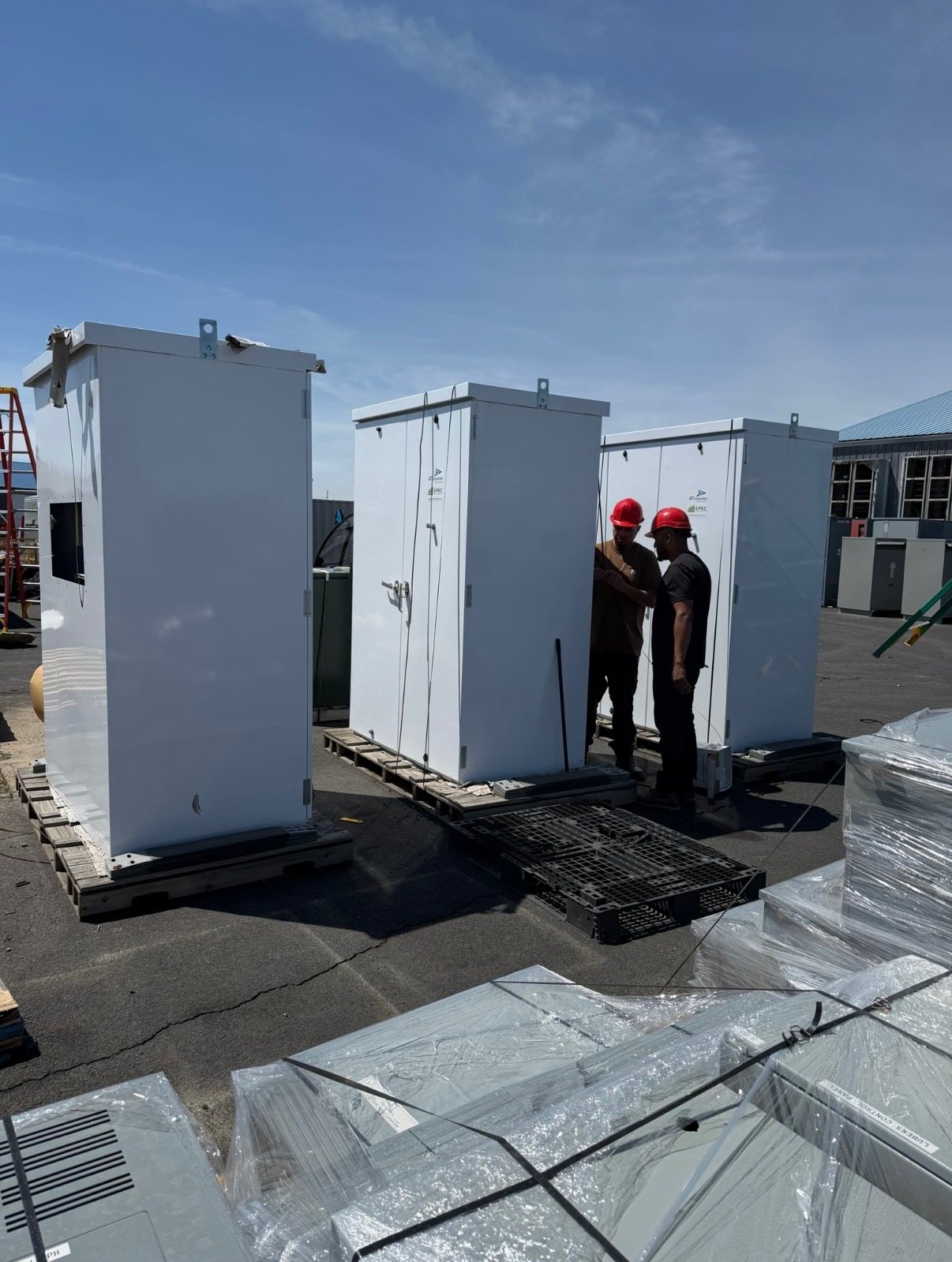
For a group of similar-looking items, a simple item list can prevent confusion during review. Give each cabinet or device an easy reference, record its quantity, and connect any available photo to the corresponding entry. If several units share a manufacturer but have different models or ratings, keep those differences visible in the list. Include any obvious exterior damage and flag missing identification. This approach is useful even when the history of the equipment is incomplete, because it separates what is actually known from assumptions about operation or condition.
Records, condition and the scope of the sale
Individual assets often have several different identifiers. The manufacturer's model, serial number and rating may appear on a nameplate, while a building or plant may also have its own asset tag. When safely available, share each identifier as written and say which item it belongs to. A facility number is useful for matching your inventory but should not be treated as a substitute for a manufacturer's model. If a tag has been lost or a photo cannot be obtained safely, that does not prevent you from starting the conversation.
A record of the transaction can be useful when a company is updating its asset register or closing out a project. Identify the person authorized to discuss the sale and provide a reliable contact for commercial questions. If the equipment is listed under multiple internal references, explain how the references relate to the physical items. The important point is to avoid transferring an asset that was not intended to be included. Our cash offer, upfront payment and buyer-handled logistics can then be discussed against a defined scope.
Buyer-handled rigging and logistics
For a phased project, identify the items available now and those whose release is still uncertain. If there are multiple buildings or anticipated phases, a short list of locations and equipment counts helps us understand the scope without assuming that every item will be available at the same time. The schedule and final logistics are coordinated around the actual project. Our team handles crane work when needed, rigging, qualified disconnects, loading, freight and hauling; the seller does not have to perform that work.
A seller may have a preferred project sequence without knowing the details of a future lift or vehicle. Describe any relevant access restrictions, other work taking place nearby and any approval steps that could affect scheduling. If the equipment spans more than one room, identify the locations and the quantities involved. Our team handles the rigging and logistics, so the seller is not expected to arrange a crane, load the material or perform a disconnect. Actual timing and the collection plan are coordinated for the specific project.
Cash offer and upfront payment
The first step is to share what you know about the equipment and where it is located. Manufacturer information, ratings, quantities, condition and safely available exterior photos can make a review more productive, but do not guess at missing details. We consider equipment across all voltage classes and review each request individually. If an offer is made and accepted, the seller receives payment upfront. We handle the qualified disconnects, crane and rigging work as needed, loading, hauling and all freight; the seller performs no testing or physical work.
When a nameplate cannot be read safely, a seller can still describe the equipment type, quantity, manufacturer if known, and the general project context. State plainly that the rating or model has not been confirmed. If an old photograph or inventory record is available, distinguish it from a current observation. Do not open a door or cover to get a better view and do not operate the equipment. We can discuss the available information without requiring a seller to test or handle an electrical asset.