
Selling busway: what to share
If your business owns busway in Maryland that is no longer needed, you can contact us about selling it. We are an equipment buyer: we review used and surplus assets and may make a cash offer. The scope can range from a single item to a larger group, depending on what you are authorized to sell. The offer depends on the information and equipment involved, not an assumed value for every unit. We consider all voltage classes and do not require seller testing. If an existing label or record identifies the equipment as 400 amp, share that marking as written. Current rating is not the same as voltage, interrupting rating or confirmed operating condition.
Busway is often a collection of sections and associated parts rather than one easily described cabinet. If known, note the manufacturer, marked current and voltage, approximate number or length of sections, and whether fittings or tap-off units are part of the offer. Tell us whether the material is still installed or already stored, without attempting to separate or handle it. Existing photos or records can help us understand what is present, while gaps in those records should simply be identified as unknown. Actual removal and logistics are handled by our team.
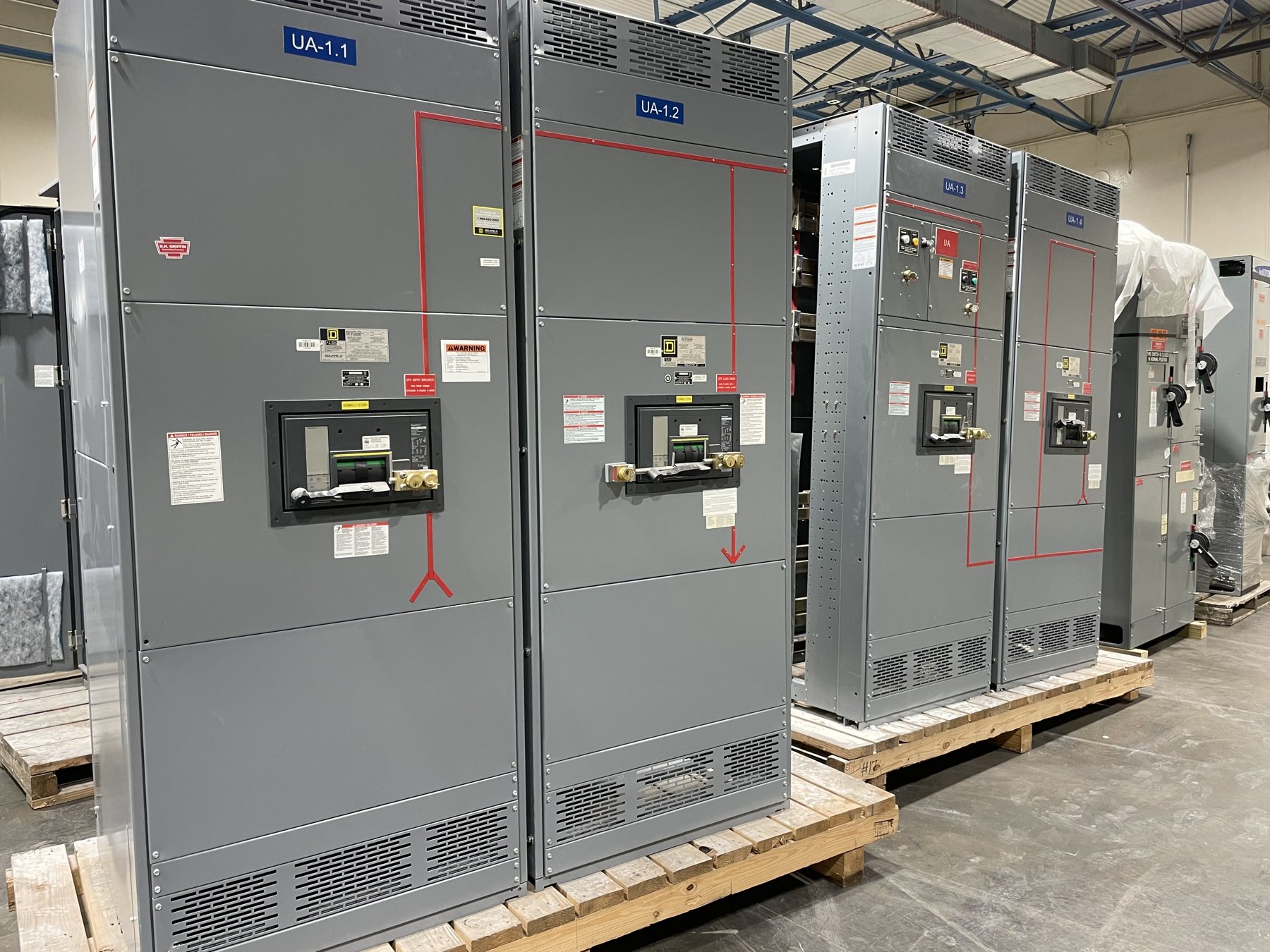
For a group of similar-looking items, a simple item list can prevent confusion during review. Give each cabinet or device an easy reference, record its quantity, and connect any available photo to the corresponding entry. If several units share a manufacturer but have different models or ratings, keep those differences visible in the list. Include any obvious exterior damage and flag missing identification. This approach is useful even when the history of the equipment is incomplete, because it separates what is actually known from assumptions about operation or condition.
Records, condition and the scope of the sale
Photographs work best when they are tied to the seller's description. A safely available wide exterior view can show the number and arrangement of sections, while a readable external nameplate can provide the manufacturer's identification and ratings. If a label is inaccessible or unreadable, tell us what is available instead. Do not enter a hazardous area, open doors or covers, operate equipment, or approach guarded interiors to get a picture. There is no seller testing requirement; we can begin with whatever information can be provided safely.
Owners sometimes know the history of an asset in broad terms but lack records of every service or modification. That is useful context when described accurately: distinguish a known storage period, for example, from a guess about whether the equipment would operate. Mention external damage, missing labels or separately stored parts if they are known. We do not ask the seller to prove functionality with a test. A straightforward account of condition and uncertainty is more helpful than an unsupported assurance.
Buyer-handled rigging and logistics
Before a collection plan is finalized, existing information about dimensions, weight, the path from the equipment and site access can help our team assess the logistics. If no reliable measurements exist, simply say they are unknown; an unsafe measurement is not necessary. Let us know about restricted hours, security clearance requirements and a person who can discuss the site. We handle the crane, rigging, qualified disconnects, loading and hauling as needed, and we pay all freight. Specific arrangements depend on the equipment and project.
For heavy or multi-section assemblies, a building's route and access requirements can matter as much as the equipment list. Share any existing information about stairs, doors, loading docks, site gates or restricted areas, but do not put yourself at risk trying to investigate them. Let us know if there are visitor requirements or a site contact who can discuss access. Our team arranges the necessary disconnects, rigging and removal, including any crane work, loading, hauling and paid freight. No seller testing or physical work is required.
Cash offer and upfront payment
The first step is to share what you know about the equipment and where it is located. Manufacturer information, ratings, quantities, condition and safely available exterior photos can make a review more productive, but do not guess at missing details. We consider equipment across all voltage classes and review each request individually. If an offer is made and accepted, the seller receives payment upfront. We handle the qualified disconnects, crane and rigging work as needed, loading, hauling and all freight; the seller performs no testing or physical work.
A record of the transaction can be useful when a company is updating its asset register or closing out a project. Identify the person authorized to discuss the sale and provide a reliable contact for commercial questions. If the equipment is listed under multiple internal references, explain how the references relate to the physical items. The important point is to avoid transferring an asset that was not intended to be included. Our cash offer, upfront payment and buyer-handled logistics can then be discussed against a defined scope.